 ×
×
In the fast-paced world of digital dentistry, the shift from manual, time-consuming fabrication to streamlined CAD/CAM workflows has completely changed how clinicians approach patient care. At the heart of this shift lies the use of high-quality PMMA block solutions. These advanced acrylic materials have rapidly become the industry standard for temporary dental treatments, offering an ideal mix of aesthetic appeal, ease of milling, and impressive structural resilience. For dental clinics and laboratories striving to boost chairside productivity and improve patient comfort, grasping the technical nuances and practical benefits of these blocks is no longer optional—it is a competitive necessity. As dental tech continues to advance, these materials have evolved beyond simple stop-gap measures. They now function as highly precise diagnostic and therapeutic tools that bridge the gap between initial tooth preparation and the final permanent restoration, ultimately ensuring that patients enjoy a seamless and predictable transition.
The clinical performance of these materials is rooted in a highly controlled polymerization process, which results in a material that is exceptionally homogeneous, free from structural voids, and clear of residual monomers. Unlike traditional, manually mixed acrylic resins—which are frequently plagued by polymerization shrinkage, trapped air bubbles, and inconsistent density across the prosthetic—CAD/CAM-milled blocks provide superior fracture toughness and a beautifully smooth surface finish. This level of mechanical precision is vital for temporary crowns, bridges, and implant-supported structures that often need to stay in place for several weeks or even months of healing. The material maintains excellent color stability and high levels of translucency, doing an incredible job of mimicking the natural optical properties of human dentition. Furthermore, the uniform nature of these blocks allows for incredibly accurate marginal fits, which is essential for protecting prepared tooth structures and preventing the onset of secondary caries. By offering a stable, biocompatible, and naturally aesthetic solution, they ensure that patients maintain solid functional occlusion and a natural smile during the entire restorative process.
Moving beyond basic temporary coverage, these blocks have become instrumental in high-level restorative planning and diagnostic evaluation. When dental teams tackle complex full-mouth rehabilitations, they often rely on milled structures as diagnostic mock-ups to test drive the result. These mock-ups give both the patient and the clinician a tangible way to evaluate the proposed tooth shape, length, and occlusal scheme before committing to the significant cost and time required for final ceramic or zirconia restorations. Because these structures are born from digital design files, any adjustments identified during the try-in phase can be made quickly and accurately in the software. This iterative design process significantly lowers the risk of dissatisfaction with the final permanent result. Additionally, they serve as a perfect choice for producing long-term provisional dentures and complex implant-supported bridges, especially in scenarios involving bone grafting or surgical healing periods, where maintaining stable, long-term occlusal contact is a fundamental priority.
For modern dental laboratories, the move toward these high-performance blocks represents a massive leap in day-to-day operational efficiency. By integrating high-speed milling equipment with high-quality, standardized discs, labs can produce incredibly precise temporaries with virtually zero need for manual finishing or time-consuming adjustments. This huge reduction in labor translates directly into more predictable turnaround times, allowing labs to manage larger volumes of cases without ever having to trade off on quality. Furthermore, the material’s excellent milling properties mean that complex geometries—such as multi-unit bridges or incredibly fine margin contours—are achieved with flawless accuracy every time. Because the blocks come pre-polymerized, labs never have to worry about the variable setting times or temperature sensitivities that often cause issues with traditional materials. By cleaning up and simplifying the entire production workflow, dental labs can easily keep up with the high demands of restorative dentists, ensuring that every piece of work hits the delivery deadline with ease.
Reliability in restorative dentistry is ultimately defined by the safety, chemical stability, and long-term health of the materials placed inside the patient’s mouth. These blocks are specifically engineered to be highly biocompatible, which significantly reduces the risk of gingival tissue irritation or unwanted allergic reactions. The dense, non-porous surface of CAD/CAM-milled acrylic is inherently resistant to the buildup of plaque and oral debris—a common headache when using conventional, chairside-cured resins. This resistance to bacterial colonization is a massive advantage for patients undergoing long-term treatments, as it helps keep the surrounding periodontal tissues healthy and inflammation-free throughout the entire provisional phase. Choosing materials that prioritize oral hygiene and soft-tissue health is a cornerstone of professional, high-standard clinical practice, ensuring that patients receive comfortable, sanitary, and completely non-toxic care throughout their restorative journey.
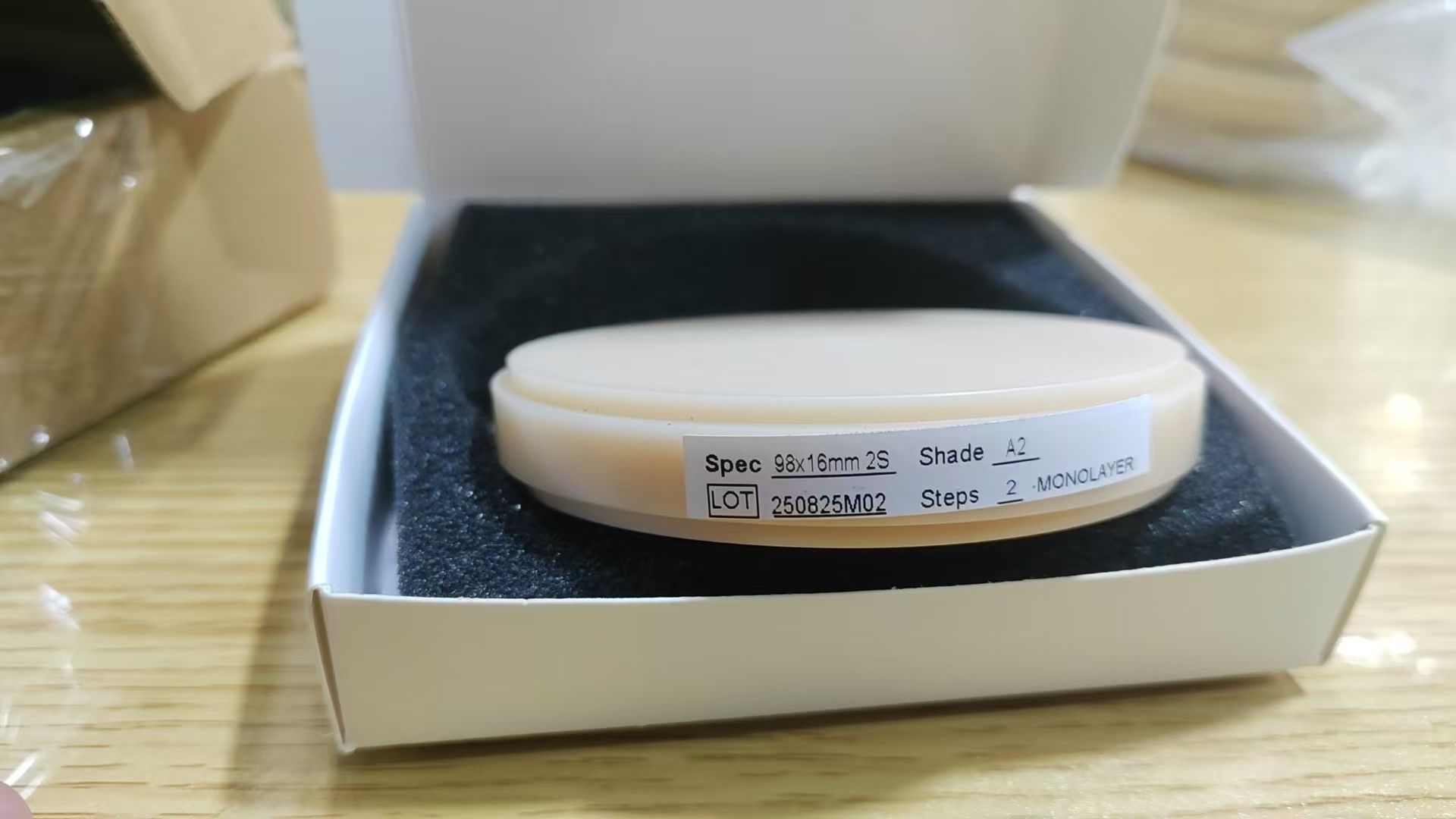
Consistency in the performance of any temporary restoration is only as reliable as the raw materials used to create it. IceRa Dental stands at the very forefront of this industry, providing high-performance dental materials, including precision-engineered blocks that meet the most rigorous global quality standards. By leveraging sophisticated, automated manufacturing processes and a deep, practical understanding of what digital dentistry actually requires, IceRa Dental supports both clinical and laboratory workflows with materials designed for ultimate stability, realistic aesthetics, and total ease of use. Having access to reliable, high-grade supplies is the true foundation of modern dental success. When restorative teams choose to partner with experts like IceRa Dental, they ensure that the focus stays right where it belongs: on achieving superior clinical outcomes and making the patient experience better through every stage of the treatment plan. By committing to the use of only the most consistent and resilient materials, modern practices are empowered to deliver restorative care that is both remarkably efficient and consistently excellent, securing a bright future for digital dentistry worldwide.


 EN
EN

