 ×
×
Digital dentistry transforms the initial patient encounter by replacing paper-based registration with secure, pre-visit online forms—eliminating front-desk bottlenecks and reducing intake time by up to 60%. Integrated AI-powered triage analyzes self-reported symptoms, medication history, and risk factors to prioritize urgency. For instance, patients describing acute pain or facial swelling are automatically routed for same-day clinical review, ensuring timely intervention without manual screening. Clinics adopting this approach report 25–35% faster check-in times and measurable gains in Net Promoter Score (NPS), reflecting heightened patient expectations for seamless, consumer-grade digital experiences.
Intelligent scheduling platforms use real-time EHR data—including provider calendars, treatment history, and clinical notes—to align appointments with both patient preferences and clinical complexity. This dynamic synchronization prevents overbooking, reduces schedule gaps, and ensures adequate time allocation—for example, flagging a patient with uncontrolled diabetes for longer consult slots during periodontal assessment. Automated, multi-channel follow-up reminders (SMS, email, or app notifications) cut no-show rates by 20–30%, according to a 2024 Dental Economics analysis of 127 U.S. practices. By offloading repetitive administrative tasks, staff shift focus toward empathetic communication and care coordination—strengthening trust while improving operational throughput and retention.
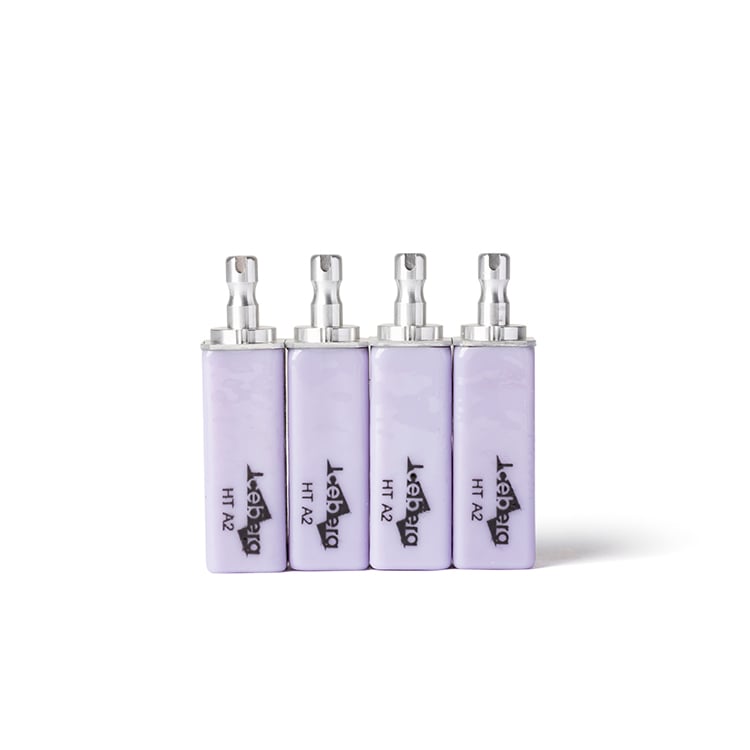
Digital dentistry elevates diagnostic confidence through unified imaging workflows. Cone-beam computed tomography (CBCT) delivers high-fidelity 3D craniofacial anatomy—critical for identifying root fractures, nerve proximity, and early peri-implant bone loss that conventional radiographs miss. Digital radiography reduces radiation exposure by up to 90% while providing instant, enhancement-ready images for caries detection and bone-level assessment. Intraoral scanners eliminate impression errors and gag reflex triggers, capturing sub-20-micron surface detail of teeth and soft tissues. When fused within a single platform, these modalities enable cross-sectional correlation—such as overlaying CBCT bone density maps onto intraoral scans—to detect subtle periapical lesions or occlusal wear patterns before they progress. This integrated foundation supports earlier diagnosis, more accurate referrals, and collaborative case planning across specialties.
AI augments clinical judgment—not replaces it—by rapidly analyzing imaging datasets to highlight anomalies with validated sensitivity: caries detection at 94.2% accuracy (per a 2023 Journal of Dentistry multicenter study), early bone loss quantification, and fracture line prediction. These insights appear as layered annotations directly on clinician-reviewed images, prompting targeted evaluation rather than autonomous diagnosis. Once confirmed, CAD/CAM software translates findings into actionable plans: designing crowns with biologically optimized margins and occlusal schemes; generating surgical guides calibrated to cortical bone density; or producing orthodontic aligners with staged tooth movement algorithms. All design iterations occur digitally, with real-time biomechanical simulation and occlusion testing—reducing chairside adjustments and remakes. The result is predictable, minimally invasive care grounded in objective data and refined clinical expertise.
True workflow efficiency emerges when imaging, design, and fabrication operate as one continuous loop. A single intraoral scan serves as the sole source of truth—feeding directly into CAD software where restorations are designed using AI-assisted margin detection and occlusal mapping. That same file transfers seamlessly to an in-office milling unit or 3D printer, bypassing physical models, lab prescriptions, and shipping delays. Because every step shares identical geometric reference points, marginal discrepancies drop below 50 microns—well within ISO 12836 tolerances—and occlusal interferences are virtually eliminated pre-delivery. Clinicians retain full control: adjusting material parameters, finish lines, or aesthetics digitally before fabrication begins. This integration cuts average restoration turnaround from 10–14 days to under 90 minutes, slashes material waste by 40%, and transforms the restorative visit from a multi-step transaction into a single, confident delivery.
Quantifying digital dentistry’s value requires tracking metrics across three interdependent domains. Clinically, practices see average case turnaround shrink by 40–60%, visits per restoration drop from 3–4 to 1–2, and lab lead times vanish entirely with chairside fabrication. Outcome measures—including marginal integrity (assessed via digital margin analysis), occlusal accuracy (verified with digital articulation scans), and 6-month complication rates—show consistent improvement when benchmarked against pre-digital baselines. On the business side, new patient acquisition rises by 15–22% (per ADA Health Policy Resources Center data), case acceptance increases as patients visualize proposed outcomes via interactive 3D renderings, and revenue per provider grows by 18–25% due to higher case volume and reduced overhead. Critically, these gains compound: improved efficiency enables more complex cases; better outcomes fuel referrals; and enhanced transparency builds long-term loyalty—proving digital dentistry is not just a technology upgrade, but a strategic catalyst for sustainable practice growth.
Digital dentistry involves incorporating digital technologies into dental practice to enhance efficiency, precision, and patient experience. Examples include AI-powered tools, advanced imaging modalities, and CAD/CAM systems for custom treatment design and fabrication.
AI aids dental practices by automating tasks such as triage, scheduling, and imaging analysis. It rapidly identifies anomalies, highlights potential dental issues, and optimizes workflows, improving efficiency and accuracy in diagnosis and treatment.
CBCT provides high-resolution 3D images essential for detecting subtle dental issues that conventional radiographs might miss, such as nerve proximity, root fractures, or early bone loss. This precision enhances diagnosis and treatment planning.
CAD/CAM systems enable custom design and fabrication of dental restorations using digital data. This reduces errors, ensures better fit and function, and accelerates restorative turnaround times while minimizing invasive procedures.
Digital dentistry enhances clinical efficiency, improves patient outcomes, boosts case acceptance through visual tools, and increases practice revenue by handling more cases effectively with streamlined operations.


 EN
EN

