 ×
×
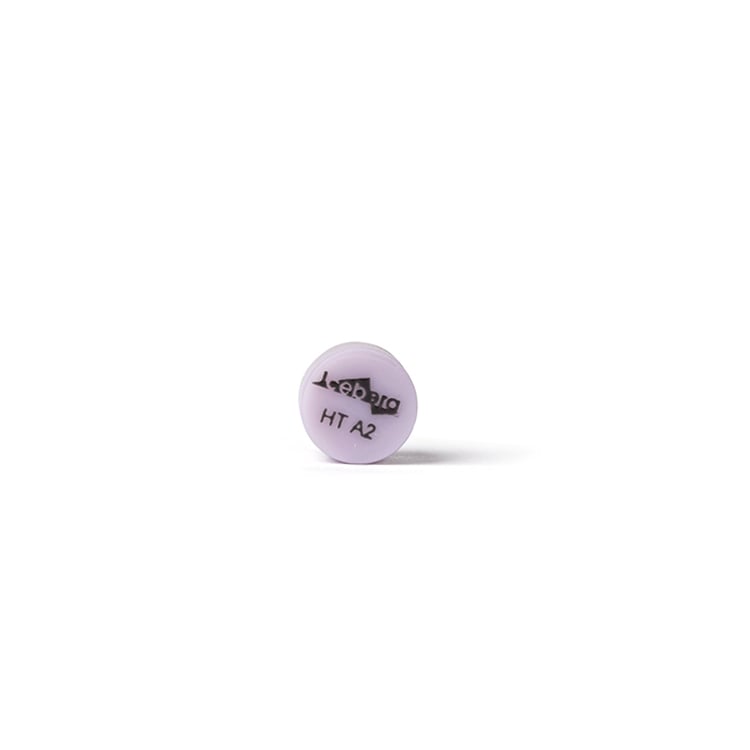
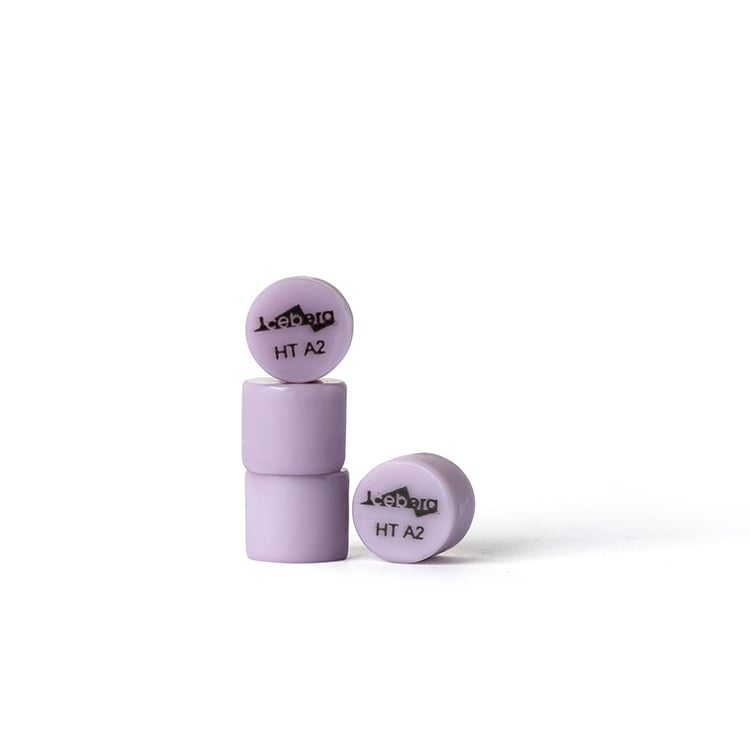
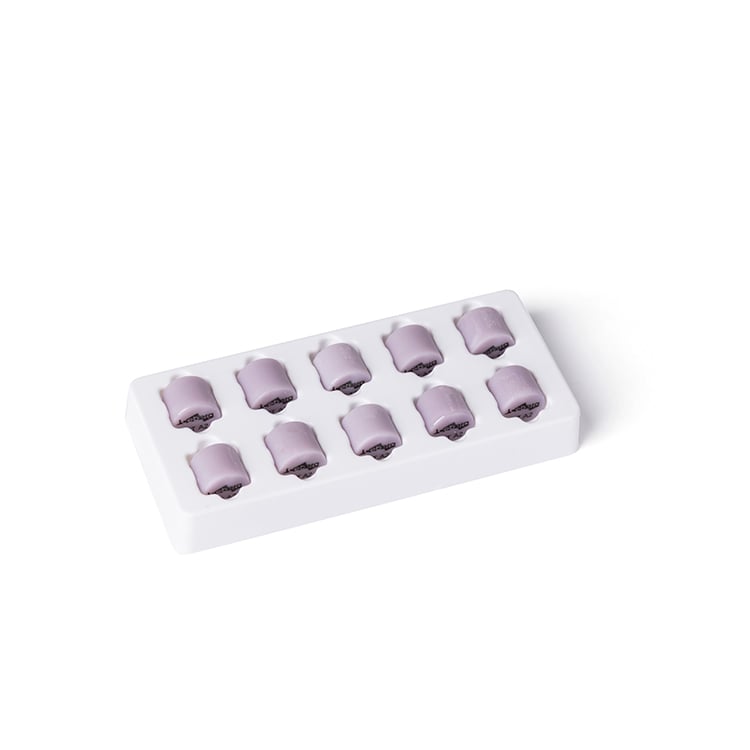
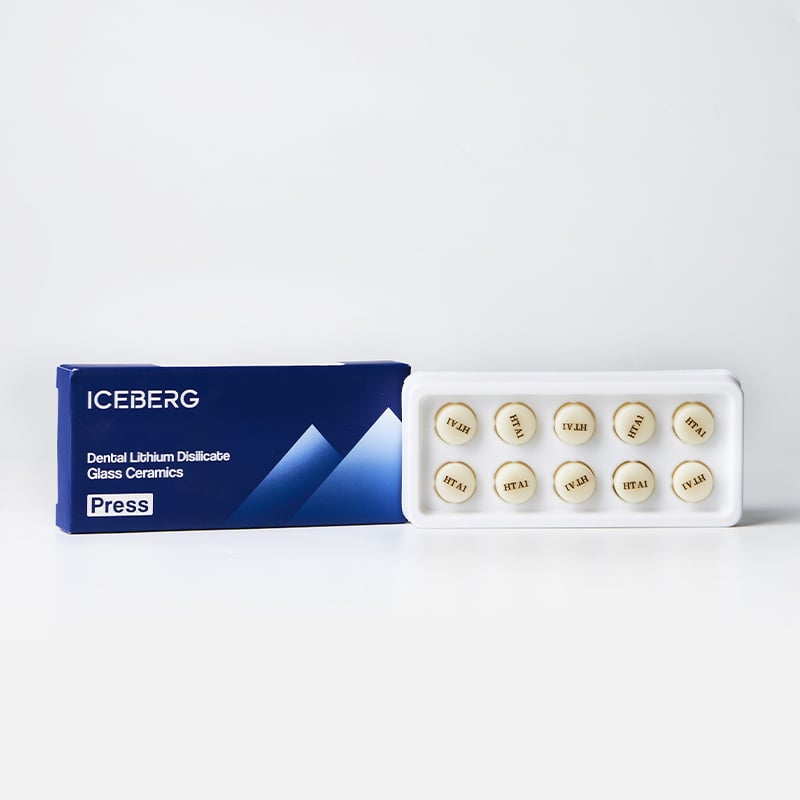
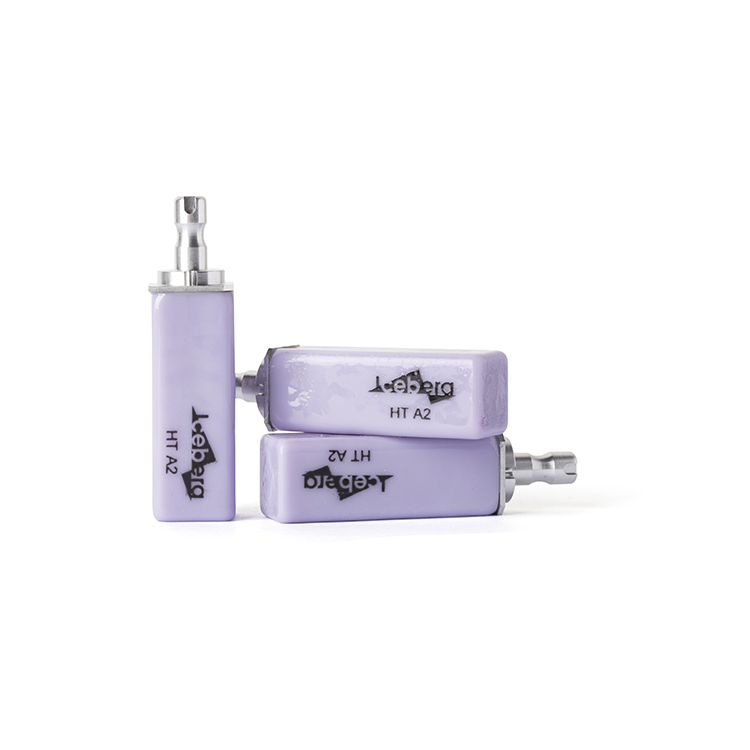
ICERA Press Dental Lithium Disilicate Glass Ceramic Ingots – Premium heat-press lithium disilicate ingots engineered for traditional lost-wax press technique. Featuring excellent casting flow, broad investment material compatibility, 420±60 MPa flexural strength, and the natural fluorescence and opalescence of bio-rare earth-enhanced glass-ceramics. Available in HT, MT, and LT translucencies across the full VITA classical shade range (A1–D4) and bleach shades (OM1–OM3+/BL4). The Press format delivers European-comparable physical and aesthetic properties at exceptional value — making it the preferred choice for laboratories that combine traditional craftsmanship with modern material science.
The ICERA Press ingots are designed for the dental technician who values the precision, control, and artistry of the traditional heat-press technique. While CAD/CAM has reshaped much of modern restorative dentistry, the lost-wax press method continues to produce some of the most beautiful, anatomically refined glass-ceramic restorations in the field — and the right ingot makes all the difference. The ICERA Press combines a meticulously formulated lithium disilicate matrix with refined casting behavior, allowing skilled hands to translate wax patterns into restorations of remarkable optical realism and structural integrity. Engineered specifically for the laboratory technician, the Press delivers properties comparable to leading European glass-ceramic ingots at a fraction of the cost.
The Press is a cylindrical heat-press glass-ceramic ingot designed for use with standard pressing furnaces and investment ring systems. Each ingot is produced from 99.9% pure bio-grade natural mineral raw materials, smelted in 99% platinum-gold equipment to eliminate metallic contamination, and refined to deliver the optical and mechanical properties dental laboratories expect from premium European-grade ingots. With excellent flow characteristics during pressing and broad compatibility with widely used investment materials, the Press integrates seamlessly into established laboratory workflows — without requiring changes to existing equipment or technique.
・Product Name: ICERA PRESS
・Category: Lithium Disilicate Glass Ceramic Block Ingot
・Flexural Strength: 420±60MPa
・Biocompatibility: Ames test negative, mouse lymphoma gene mutation test negative, no delayed hypersensitivity, no acute systemic toxicity
・Translucency Levels: HT (High), MT (Medium), LT (Low)
・Available Shades: Full VITA 16 classical (A1–D4), bleach shades (BL4/OM1–OM3+), and Amber series (Amethyst, White Jade, Yellow Amber — HT-OM1)
・Compatibility: Universal CAD/CAM milling systems (CEREC, inLab, and other major chairside platforms)
・Standards: Fully biocompatible, certified for permanent intraoral use
1. Optimized Casting Flow Behavior What separates a great press ingot from an average one is how it flows. The ICERA Press has been specifically formulated for excellent casting fluidity at pressing temperatures — filling fine anatomical detail, reproducing sharp incisal edges, and capturing delicate occlusal anatomy that lesser ingots simply round off. Technicians get cleaner press results with less material waste and fewer remakes.
2. Broad Investment Material Compatibility Rather than locking laboratories into a specific investment system, the Press is engineered to perform reliably across multiple major investment material brands. This compatibility means laboratories don't need to change suppliers, retrain technicians, or adjust their burnout protocols — the Press simply works with what's already on the bench.
3. European-Comparable Physical and Aesthetic Properties The Press delivers physical and optical properties on par with leading European pressing ingots. Flexural strength, hardness, fracture toughness, and translucency all fall within the same performance bands as premium imported alternatives — but at a price point that respects the laboratory's bottom line.
4. Bio-Rare Earth Optical Enhancement Trace bio-rare earth elements integrated into the lithium disilicate formulation give pressed restorations exceptional fluorescence under UV light and lifelike opalescence in everyday lighting. These optical effects emerge naturally from the material itself, not from surface staining — meaning they remain stable over years of intraoral wear.
5. Ultra-Pure Material Composition 99.9% pure bio-grade natural mineral raw materials, processed in 99% platinum-gold smelting equipment, eliminate the contamination risks that produce color spots, opacity inconsistencies, and unexpected casting defects in lower-grade ingots. Every Press ingot is visually pristine and optically consistent.
6. Reliable Post-Crystallization Strength With 420 ± 60 MPa flexural strength after crystallization, pressed restorations handle anterior aesthetic loads, posterior occlusal forces, and the day-to-day demands of clinical service with confidence. The strength profile is appropriate for the indications — neither overengineered nor compromised.
7. Three Translucency Levels for Clinical Range HT, MT, and LT translucency options give the technician complete control over how much light the final restoration transmits. HT for high-translucency veneers and anterior crowns; MT for balanced anterior cases; LT for posterior monolithic work or where abutment masking is needed.
8. Comprehensive Shade Coverage With every VITA classical shade plus bleach shades (OM1–OM3+/BL4), the Press handles essentially every shade-matching scenario a typical laboratory encounters — eliminating the awkward situations where the right shade simply isn't available in the chosen material.
9. Validated Biocompatibility The Press passes the same comprehensive biocompatibility testing applied across the entire ICERA glass-ceramic line — Ames mutagenicity, mouse lymphoma gene mutation, cytotoxicity (Grade 0), systemic toxicity, and delayed hypersensitivity. Pressed restorations are safe for permanent intraoral use without reservation.
10. Exceptional Value for Pressing Laboratories For laboratories that have invested in pressing equipment and developed strong technical skill in the lost-wax method, the Press delivers premium results without premium pricing — making it economically practical to offer high-aesthetic glass-ceramic restorations across a wider range of cases.
The ICERA Press is engineered for the full range of pressed glass-ceramic restorations:
・Pressed anterior crowns – including layered porcelain build-ups
・Pressed posterior crowns – monolithic or with cutback technique
・Pressed laminate veneers – including ultra-thin presentations
・Pressed inlays and onlays
・Telescopic restorations
・Custom-shaded aesthetic cases – where pressing offers control unmatched by milling
・Layered porcelain cases – using cutback technique on pressed copings
・Cosmetic smile design cases – relying on traditional craftsmanship
The Press exists for a specific kind of laboratory: one that respects the craft of pressing, values technician skill, and refuses to overpay for materials that can be produced to the same standard at a fraction of the cost. Manufactured under the same rigorous protocols as the rest of the ICERA glass-ceramic family — ultra-pure raw materials, platinum-gold smelting, comprehensive biocompatibility testing, and batch-level quality inspection — the Press delivers premium pressing performance without premium pricing.
For laboratories where pressing remains a core competency and aesthetic excellence is non-negotiable, the ICERA Press is a pragmatic, high-performance choice. It honors the traditional technique while bringing modern material science to every cylinder.
Choose ICERA Press — premium heat-press lithium disilicate engineered for the technician's craft.
Flexural strength after crystallization |
420 Mpa ± 60 Mpa |
Density after crystallization |
2.46~2.52g / cm³ |
Coefficient of thermal expansion after crystallization |
(CTE50 – 500°C)×10.5×10⁻⁶k⁻¹ |
Linear shrinkage |
0.0010~0.0026(≈ 0.2%) |
Vickers hardness HV1 |
6500Mpa ± 200Mpa |
Elastic modulus |
50 ± 10Gpa |
Fracture toughness |
2.8 – 3.8Mpa m⁻¹/² |
Chemical solubility after crystallization |
< 100ug / cm² |
Cytotoxicity after crystallization |
Grade 0 |


 EN
EN