 ×

Every technician who works with multilayer zirconia has seen it at least once. The bridge comes out of the furnace, you hold it up to the light, and there it is — a crisp, unmistakable line running across the incisal third. Not a gradient. Not ...

Every dental lab knows the feeling. You open the sintering furnace after an overnight cycle, lift a crown or bridge out of the beads, and instead of the warm, natural shade you designed on screen, you are met by a muddy olive or yellow-green cast. Th...

Take a close look at the photos in this article.The restoration has been milled, sintered, and finished. At first glance, the shape and shade may look acceptable. But under closer inspection, a light gray or faint black spot appears on the surface or...
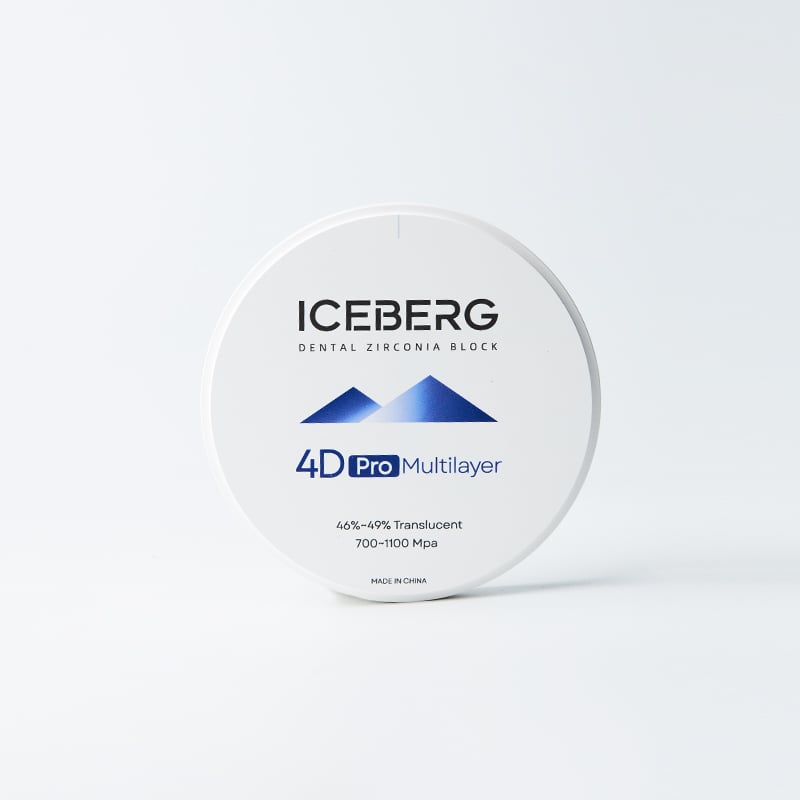
49% or 57%? A Zirconia Question With No Correct AnswerTwo spec sheets are open on your desk. Block A is published at 49% transmittance. Block B is published at 57%.Which is more translucent? ICERA 4D Pro Multilayer4D Pro Multilayer of Competitor Most...

Discover how smart dental lab equipment shifts techs from manual fabrication to digital process control—boosting output 30–50% & cutting crown turnaround by 40%. See ROI data & implementation tips.

Why lithium disilicate boosts patient satisfaction—superior translucency, reduced chair time, stronger bonding & healthier gums. See real clinical impact.

Struggling with slow denture turnaround? CAD CAM dentistry slashes production from 5–7 days to <48 hours—boosting lab capacity & reducing remakes. See how top labs accelerate workflow.
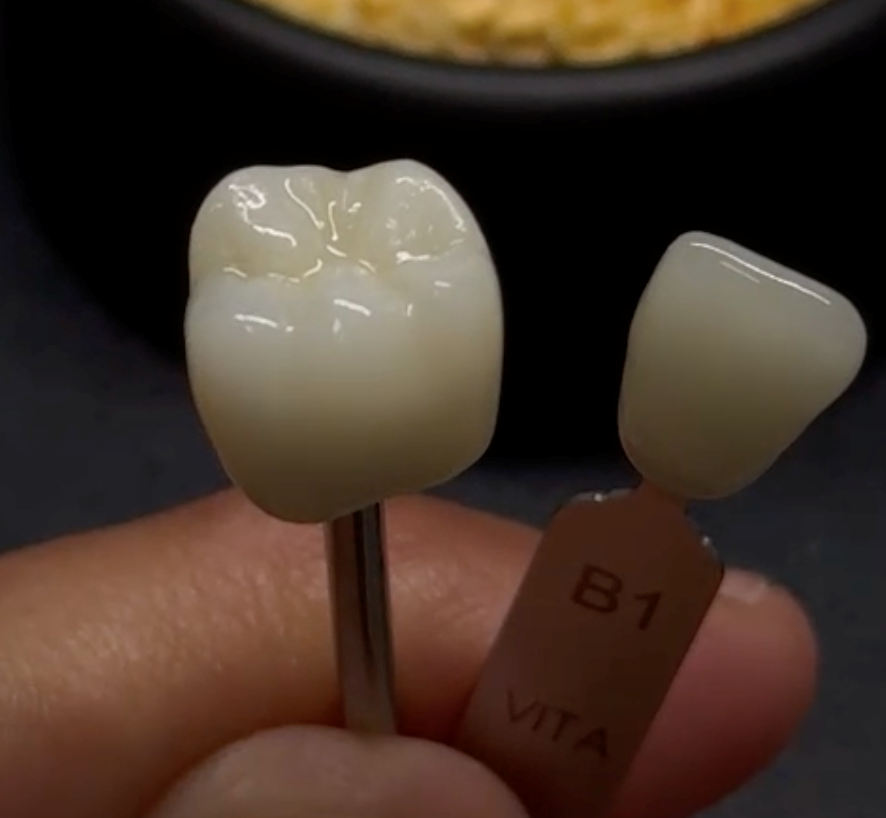
A multilayer crown against its target B1 tab — where the gradient should flow seamlessly from neck to edge. Look at the restoration above, held next to its target shade. A good multilayer crown should flow — a warmer, more chromatic neck...
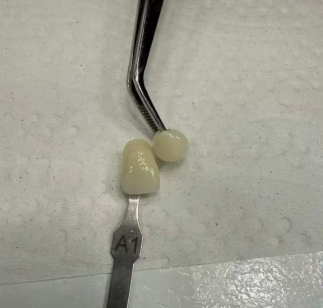
Look at the photo above. Freshly sintered crowns, held right next to an A1 shade tab — and they read pale, chalky, almost lifeless beside it. The technician did everything by the book, yet the result sits a full step too bright and too opaque t...


 EN

